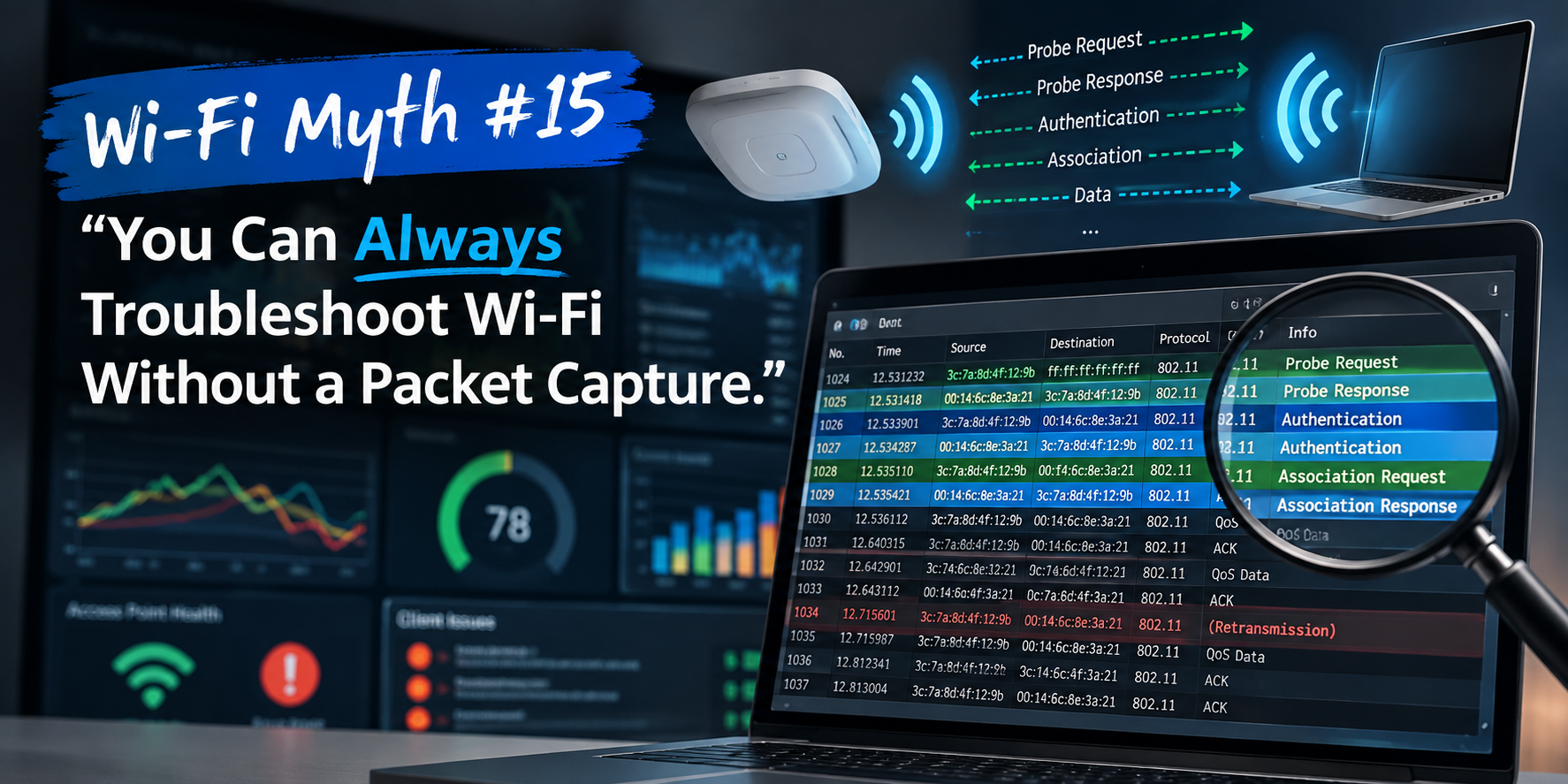
Upskilling and Securing Your Environment
Upskilling and Securing Your Environment
Amidst the current state of uncertainty, there is a positive step you can take to strengthen yourself and your team against the possibility of job cuts: that is, to enhance and strengthen your skillset through the process of "Upskilling": acquiring new skills enhances your worth to your employer.
On a regular basis, we hear of instances of unauthorized entry and unauthorized access to networks and data. Data theft is a lucrative enterprise for criminals. By providing your team with further training in the field of Cybersecurity, you not only acquire advanced expertise but also bolster the level of security for your employer's IT infrastructure.
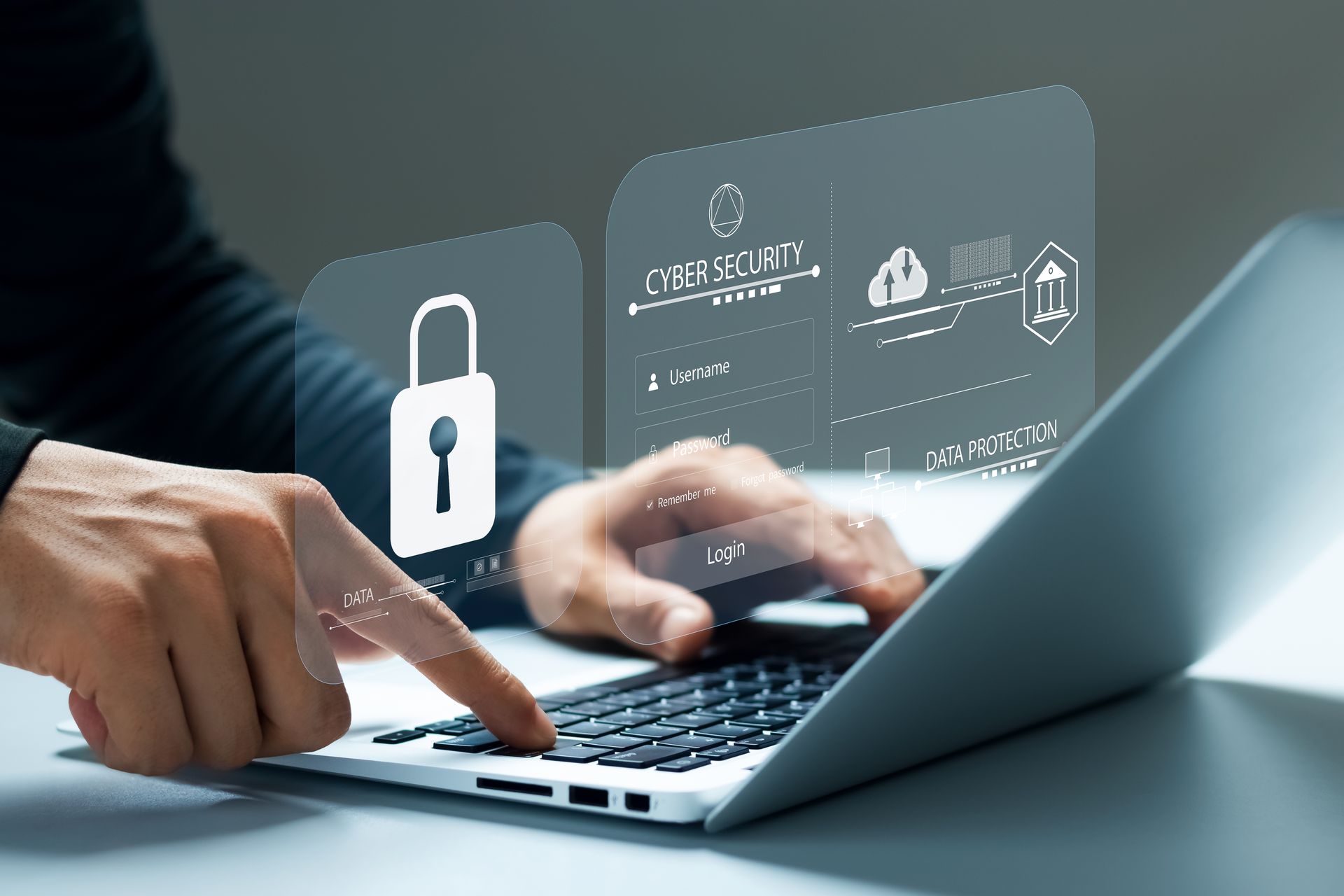
In 2023, the United States experienced a substantial surge in reported data breaches, reaching an unprecedented level of over 3,200 incidents. This represents a nearly 80% surge in comparison to the preceding year, and another noteworthy escalation in comparison to the year prior to that. In the year 2023 alone, a startling 350 million individuals suffered the repercussions of data breaches, leaks, and exposure!
A prominent telecommunications provider fell victim to an attack, which potentially could have compromised the security of tens of millions of consumers' data. Fortunately, their robust security measures effectively repelled the threat, ensuring that no personally identifiable data was compromised. However, other organizations are not as lucky...
Notably, there was a well-known incident at a hotel chain in Las Vegas where personnel experienced computer malfunctions, guests were unable to access their rooms, and casino gamblers were unable to use the slot machines. Over 10 million clients had their personal data stolen by hackers. Consequently, the hotel group anticipated a loss exceeding $100 million due to this single incident.
In 2023, ransomware operatives used novel and inventive methods to optimize their financial gains, specifically focusing on software development organizations and managed service providers. Therefore, regardless of whether a company perceives a specific danger from ransomware or not it should, nevertheless, take into account the possible consequences an attack may have on its reputation. The extensive number of attacks and diverse range of victims demonstrates that no enterprise is immune.
How We Can Help
This is where NC-Expert plays its specialist role. We provide a variety of Cyber Security training options, catering to IT professionals at all levels of expertise. Our offerings range from well-established vendor certification programs to tailored curriculums designed to address the unique needs of your specific environment.
We have earned a strong reputation and are held in high regard throughout the industry. We have established partnerships with training vendors and professional organizations, all of which recognize the importance of maintaining a secure workplace.
We can impart our expertise and strategies to enhance the security of your environment, by sharing our knowledge and know-how with you and your staff.
The following is a link to our Security portfolio...
https://www.nc-expert.com/training-classes-by-track#NetworkSecurity
If you don’t see what you are looking for, give us a call at +1 (855) 941-2121 to discuss your specific needs.
We offer standard virtual training along with in-person training for groups of your employees at your location. Call us for special pricing.
…
About NC-Expert
NC-Expert is a privately-held California corporation and is well established within the Wireless and Cyber Security industry certification training, courseware development, and consulting markets.
NC-Expert has won numerous private contracts with Fortune level companies around the world. These customers depend on NC-Expert to train, advise, and mentor their staff.
If you are looking for the best in IT industry training then call us at
(855) 941-2121 or
contact us by email today.
This post appeared first on NC Expert .
NC-Expert Blog