The Importance of Using a VPN
A Digital Shield for Your Online Adventures
As tech professionals, we often spend a good chunk of our lives navigating the digital realm. Whether you’re troubleshooting a network, coding a new app, or just binge-watching the latest series, one thing is clear: your connection to the internet is a double-edged sword. It’s both incredibly convenient and, if not properly secured, a potential vulnerability.
Enter the VPN (Virtual Private Network) our trusty, digital bodyguard. If you’re not already using one, or if you’re not entirely sure why you should, let’s walk through some of the reasons why a VPN is essential for anyone working in IT and, frankly, for anyone who uses the internet.
What Is a VPN?
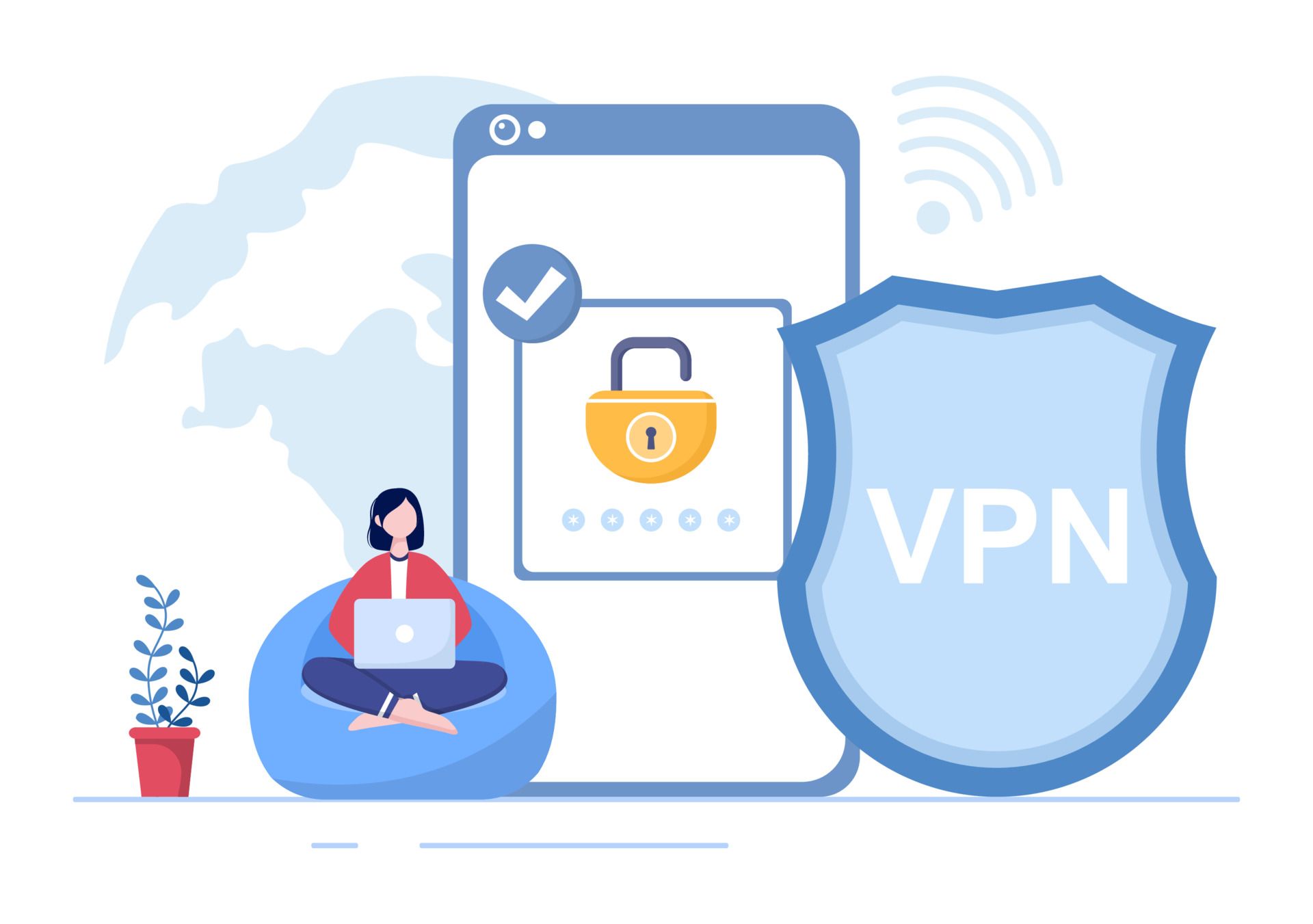
In simple terms, a VPN creates a secure, encrypted tunnel between your device and the internet. It allows your data to travel securely, masking your IP address, and ensuring that no one (be it hackers or nosy advertisers) can track or intercept your online activity. Think of it as your personal “cloak of invisibility” in the digital world!
1. Enhanced Security
One of the biggest perks of using a VPN is the enhanced security it provides. As IT professionals, we know that unsecured networks, such as public Wi-Fi in cafes, airports, or hotels, are prime targets for hackers. Anyone can set up a “free Wi-Fi” network and, once you connect, your data is exposed. With a VPN, your internet connection is encrypted, rendering your data unreadable to anyone trying to intercept it.
Picture this: You're working on your laptop in a busy coffee shop, surrounded by the faint hum of chatter and the aroma of espresso. You hop on the free Wi-Fi and start sending sensitive project files. Sounds like a disaster waiting to happen, right? Without a VPN, that hacker sitting across from you could easily intercept your data and walk away with your confidential info. With a VPN, though, you’re safe. It’s like being locked inside a digital vault.
2. Privacy Protection
Privacy is a fundamental concern for many tech professionals. We all know that browsing the web without a VPN is akin to walking through a mall with a neon sign above your head, proclaiming, “Here’s everything that I’m doing online!” Websites, advertisers, and even your internet service provider (ISP) can track your online movements, building detailed profiles based on your behavior.
By using a VPN, your true IP address is masked, making it much harder for anyone to trace your online actions back to you. Whether you're researching the latest security protocols, browsing social media during your lunch break, or trying to access resources for your next big project, a VPN ensures your activities remain private.
3. Accessing Geo-Restricted Content
As anyone who’s tried to access content in, or from, another country can attest: geo-blocking is real. You may have encountered the frustration of trying to watch a video or use a service, only to be greeted with a message saying, “Sorry, this content is not available in your region.” It’s annoying, especially when you know that the content is just a few clicks away.
A VPN solves this problem by allowing you to connect to a server in a different country. This makes it appear as if you’re browsing from that location, granting you access to geo-restricted content. Whether it's accessing an overseas service (e.g., news), gathering research that’s only available in another region, or simply watching your favorite Netflix show (when you're out-of-town), a VPN is your passport to the unrestricted web.
4. Bypassing Censorship*
In some regions of the world, the internet is heavily censored. Sites and services that we take for granted might be blocked entirely. For IT professionals working in international teams or conducting research, this can be a significant barrier. A VPN can help bypass these restrictions, providing a secure tunnel that lets you access information freely, no matter where you are.
While some administrations and organizations try to monitor and restrict access to certain types of content, using a VPN can help you to bypass these limitations. This is particularly useful for professionals who need to access global research, or communicate with colleagues from around the world without restrictions.
*Please note: we are, by no means, advocating illegal activity. If accessing certain sites/information is considered to be illegal in your country - simply don't do it.
5. Improved Remote Work Flexibility
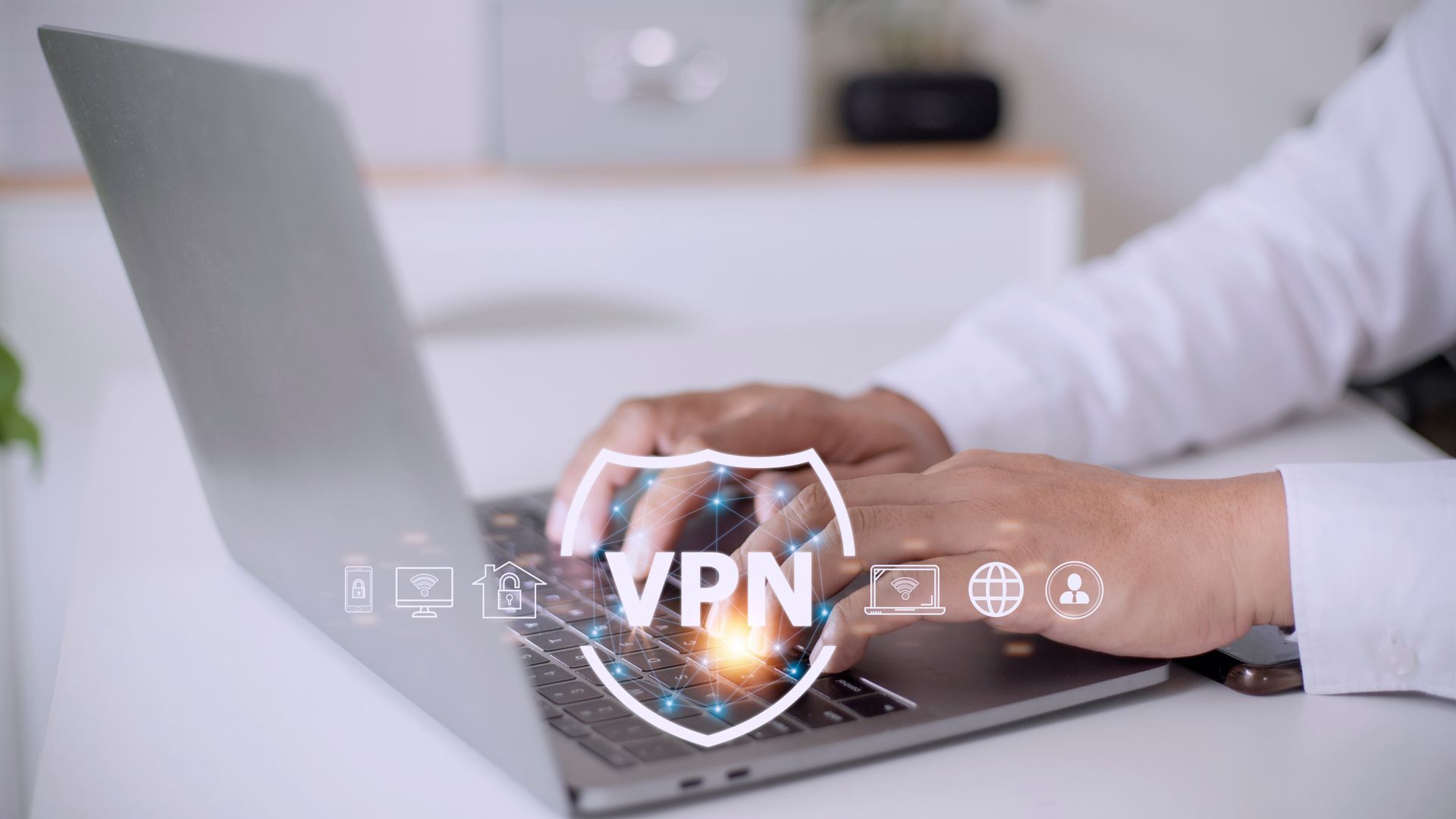
As remote work becomes more common, a secure connection is more important than ever. Whether you’re working from home, or while traveling, a VPN can ensure that your connection to your company's network is encrypted and secure. This not only helps you stay productive but also ensures that sensitive company data remains protected from potential breaches.
Without a VPN, your connection to company servers could be compromised, making it easier for hackers to infiltrate your corporate network. By using a VPN, you can connect securely and access important files and resources without fear of being exposed.
6. Avoiding Bandwidth Throttling
Have you ever been streaming a video, only to have the quality suddenly drop, or buffering begin just as you’re getting to the good part? In some cases, this may be due to your ISP intentionally slowing down your connection. This is known as “bandwidth throttling”. ISPs may throttle your connection when they detect high data usage when, for example, you are streaming videos or online gaming.
A VPN can help mask the data you're transmitting, making it more difficult for your ISP to detect and throttle your connection. This means fewer interruptions and smoother, less interrupted online experiences.
A Small Investment for Big Returns
In the ever-evolving digital landscape, security, privacy, and flexibility are paramount. For IT professionals, using a VPN is more than just a best practice; it’s an essential tool to protect yourself and your work. It’s like wearing a seatbelt - something you may not always think about, but definitely something you’re glad you have when it matters most.
So, if you're not already using a VPN, what are you waiting for? Your digital self will thank you!
===
Finally...
For a bit of fun, we released the following video (on April 1) - but we've placed it here, because it has an important message...
===
Learn More
If you want to learn more about online and network security, visit our Security training portfolio page here
===
#VPN #Cybersecurity #Security
===
About NC-Expert
NC-Expert is a privately-held California corporation and is well established within the Wireless, Security, and Collaboration industry certification training, courseware development, and consulting markets.
NC-Expert has won numerous private contracts with Fortune level companies around the world. These customers have depended on NC-Expert to train, advise, and mentor their staff.
So remember, if you are looking for the best IT training just call us at (855) 941-2121 or contact us
NC-Expert Blog